The end of the myth of America’s invincibility
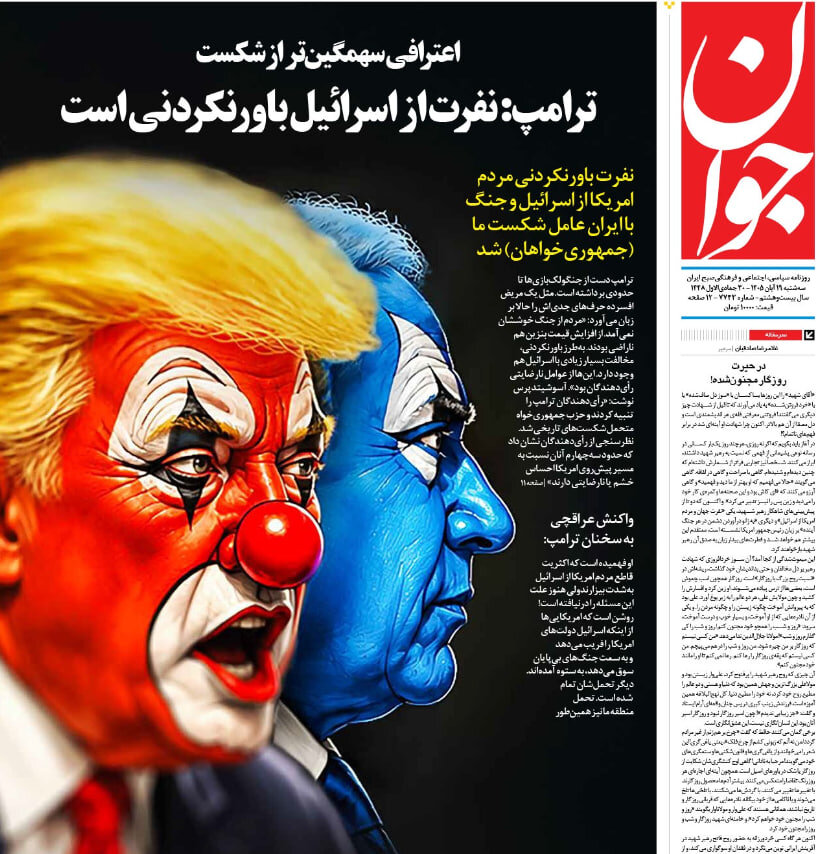
In an article, Javan argued that one of the most significant strategic consequences of Iran’s resistance to sustained US pressure, threats, and intervention has been the weakening of the perception that America is unbeatable. For decades, the US sought to project an image of unrivaled power based on its military, economic, and technological advantages. According to the paper, this image gradually became a central pillar of American global influence and psychological deterrence.
However, Iran’s continued resistance and Washington’s failure to fully achieve its objectives have raised questions about the credibility of that model. This shift is important not simply because it affects America’s political reputation, but because it exposes the limits of a power that has long relied on sanctions, military pressure, intervention, and intimidation to influence the choices of other nations and constrain their independence.
Sazandegi: The cycle of war has reached a dangerous stage
Sazandegi examined the possibility of renewed conflict and the options available for avoiding it. The current cycle of tensions has reached such a dangerous level that even if mediation efforts by regional and international actors, including China, result in a temporary understanding, any agreement may struggle to achieve long-term stability. The paper identified three possible paths for breaking out of the cycle. The first would involve accepting US demands, an option that is inconsistent with Iran’s long-term interests. The second would be a military defeat of the US in a conflict. The third would involve reforms in governance, changes in existing policies, and measures aimed at increasing public confidence. According to the analysis, the same willingness shown toward negotiation and mediation abroad should be reflected in domestic policy. Greater attention should be given to economic actors, civil society activists, and political parties, which can serve as intermediaries between society and the state. Unless substantial reforms occur in the country’s governing approach, the threat of foreign aggression and the risk of war will remain difficult to eliminate.
Shargh: The dangerous game of attrition
Shargh focused on the risks associated with a strategy of gradual pressure and attrition. The newspaper argued that political developments following the US congressional elections have led to a new stage in Washington’s calculations toward Iran. While the possibility of another military confrontation remains on the table, greater emphasis is now being placed on economic pressure, diplomatic deadlock, and maintaining a climate of military threat rather than launching a direct conflict. The goal is seen as weakening Iran’s economic strength and social resilience over time without paying the high costs associated with a full-scale war. The analysis described attrition as less a guaranteed path to achieving American objectives and more an investment in the passage of time. Through sustained pressure, the costs faced by the opposing side may gradually increase. Whether this strategy ultimately succeeds, however, depends on Tehran’s response, regional developments, and the willingness of both sides to absorb political and economic costs.
Iran: Changes in nuclear doctrine must be rational
The Iran newspaper published an interview with international relations scholar Fardin Ghoreishi examining the debate over possible changes in Iran’s nuclear doctrine. According to Ghoreishi, supporters of such a change argue that stronger deterrence could increase the costs of military action against Iran and strengthen the country’s negotiating position. Critics, however, warn of potential consequences including tougher sanctions, greater international isolation, regional arms competition, a higher risk of crises, and legal or economic repercussions. Iran’s main challenge is finding a way to protect national security, reduce the costs of confrontation, maintain independent decision-making, and at the same time create conditions for economic growth. No single instrument can substitute for broader national power. In his view, deterrence, diplomacy, economic efficiency, and effective governance should be regarded as interconnected elements of a comprehensive national security framework. Any discussion about changes in nuclear doctrine should therefore be conducted within this broader context and with careful consideration of all possible consequences.
Etemad: Trump has become more unpredictable
Etemad interviewed political scientist Nader Entessar about Trump’s future approach toward Iran following his party’s electoral setback. Trump now appears politically weakened while continuing to display an unconventional decision-making style, making his future behavior difficult to predict. As a result, both a decrease in tensions and an escalation of conflict remain possible outcomes. He stressed that Iran should not shape its policies around forecasts of Trump’s behavior. Instead, Tehran should pursue an independent strategy that prepares for either scenario. Policymakers should remain ready for the possibility that Washington could raise the level of confrontation, while also recognizing that escalation may not occur. Entessar concluded that avoiding strategic miscalculation is essential. Iran, he argued, should prepare for multiple possibilities rather than allowing its choices to be determined by the uncertainty surrounding Trump’s unpredictable political conduct.
Leave a Comment